Brake service starts with context—not a generic parts list
- System inspection
- Condition review
- Clear next step

A brake concern deserves more than a quick assumption. H&I Automotive begins with the feel, sound, warning, or wear pattern you have noticed—then builds a clear plan around the braking system in front of us.
What preventative maintenance can include
Brake service is not a one-line recommendation. We use the concern you bring in, the vehicle’s design, and the relevant component condition to establish where to begin.
01
We begin with the concern you have noticed and an inspection of the braking components and conditions that are relevant to your vehicle.
02
Pads or shoes, rotors or drums, calipers or wheel cylinders, hardware, and related parts may be reviewed when the vehicle calls for it.
03
Pedal feel, brake fluid condition, warning lights, and hydraulic-system concerns can help establish the right starting point for a brake visit.
04
You receive practical next steps tied to the vehicle in front of us—not a generic brake package or a recommendation without context.
⌁ Roadworthy signal check
Describe what changed, when it happens, and how the vehicle responds. That detail helps the team begin the brake-service discussion in the right place.
“ Notice the change. Give it context. Make the next mile more certain.
A squeal, scrape, grind, or other change in sound can be useful information. Note when it happens and whether it is constant or intermittent.
A change in pedal response, vibration, pulling, or the way the vehicle settles under braking is worth describing to the service team.
A warning light or a braking concern that makes the vehicle feel unsafe should be addressed promptly. Share the exact behavior you are experiencing.
A brake concern can involve more than the part that first comes to mind. The service conversation focuses on the relevant parts of your vehicle’s braking system and the conditions identified during inspection.
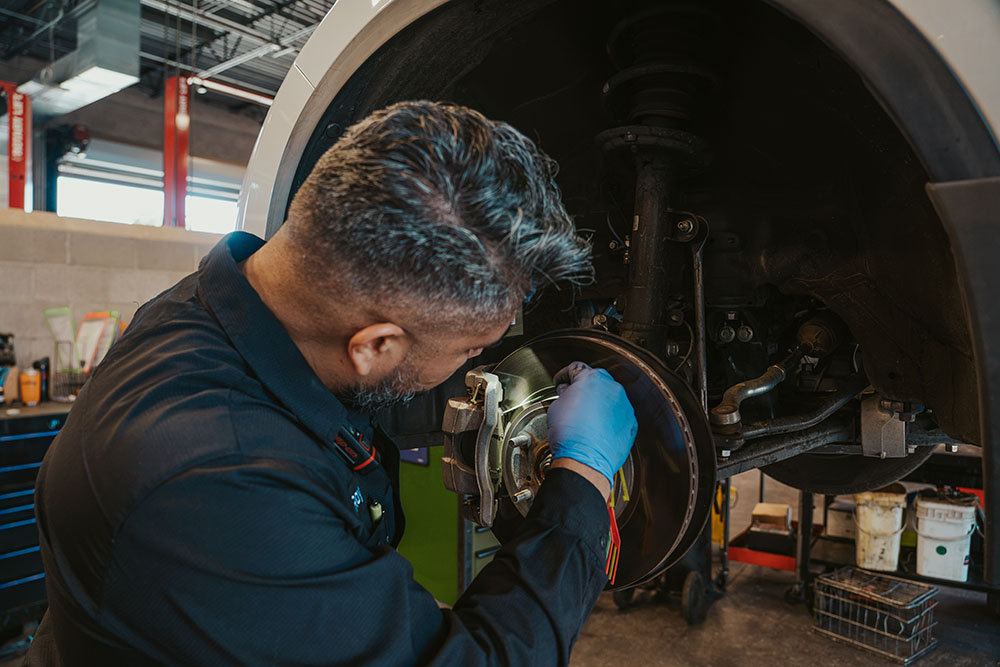
The parts that create friction during braking are evaluated for condition and remaining material where applicable.
The surfaces paired with friction components can be reviewed for condition, wear patterns, and concerns relevant to the vehicle.
The components that apply, guide, and support braking action may need attention depending on the design and inspection findings.
Brake-fluid condition and relevant hydraulic-system concerns are considered as part of a complete brake-service conversation.

⌁ The H&I Brake Service Process
We keep the conversation grounded in your vehicle, the concern you brought in, and the inspection findings—not a one-size-fits-all script.
Sound, pedal feel, vibration, a warning light, or a change in stopping behavior can give the visit useful context from the start.
We assess the braking components and conditions that matter to the vehicle and concern in front of us.
You should understand what is recommended now, what may be monitored, and the reason behind the next step.
Call the H&I Automotive shop that works best for your routine in Mesa, Gilbert, or Queen Creek. Start with the behavior you are noticing and the team can help establish the right next step.
MESA WAYPOINT
⌖ Phoenix East Valley
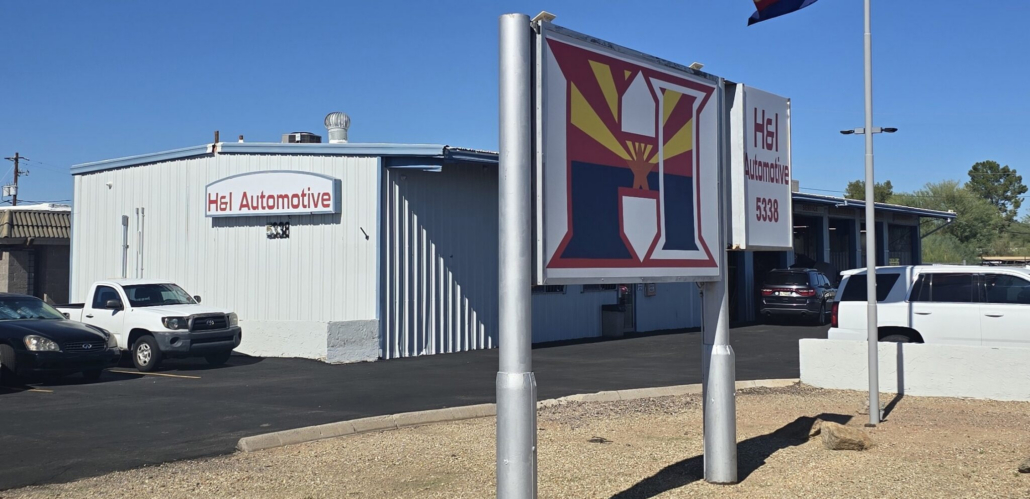
Brake service for the errands, commutes, and dependable daily miles that begin in Mesa.
(480) 985-9279
GILBERT WAYPOINT
⌖ Phoenix East Valley

A thoughtful brake-service conversation along your Gilbert routine.
(480) 279-2456
QUEEN CREEK WAYPOINT
⌖ Phoenix East Valley

Quality-minded brake care for the growing Queen Creek side of the East Valley.
(480) 396-3938
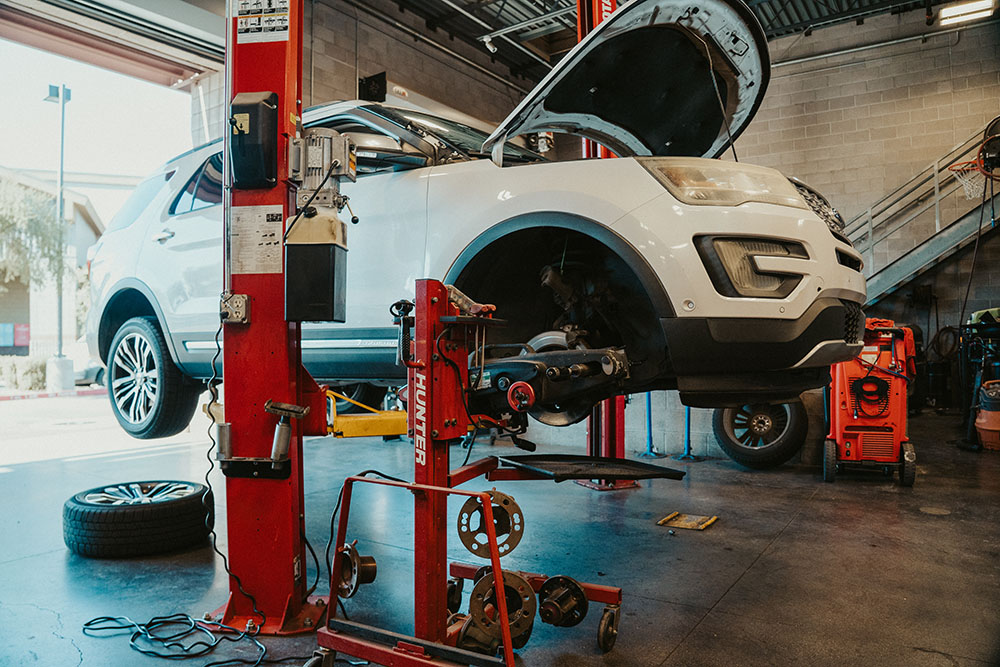
MAINTAIN THE SYSTEMS AROUND THE PLAN
Understand the purpose of a brake-service visit before you schedule. These answers are focused on brakes—not a generic location checklist.
What does a brake service visit include?
A brake service visit begins with your concern and an inspection of the relevant braking components and conditions. Depending on the vehicle, that can include a review of pads or shoes, rotors or drums, calipers or wheel cylinders, related hardware, brake fluid, and the symptoms you describe. The needed work is determined by the vehicle and the inspection findings.
What signs can mean I should schedule brake service?
New noises when braking, vibration, pulling, a change in pedal response, a brake warning light, or a change in the way the vehicle behaves under braking are all useful reasons to schedule a conversation. If braking feels unsafe, avoid driving the vehicle and seek prompt professional attention.
Will every brake visit require new pads and rotors?
No. Brake-system needs vary by vehicle, component condition, and the concern being addressed. An inspection helps determine which components need attention now, which can be monitored, and why a recommendation is being made.
Can brake service help with a vibration or pulling concern?
Braking vibration or pulling can be useful context for a brake inspection, but these symptoms can involve more than one vehicle system. The service team can evaluate the relevant conditions and explain the recommended next step based on the vehicle in front of them.
Choose Mesa, Gilbert, or Queen Creek and tell the H&I Automotive team what you are noticing with your vehicle.

Preventative Maintenance