Vehicle diagnostics begins with context and evidence—not an assumption based on one code.
- Concern & behavior context
- Relevant system assessment
- Clear next step

A warning light, a change in performance, a strange sound, or a concern you cannot quite explain deserves more than a quick assumption. H&I Automotive begins with the behavior you notice—then builds a clear plan around the relevant data, systems, and test results.
The diagnostic service file
Diagnostics is not a one-line recommendation. We use the behavior you notice, relevant vehicle information, scan data, and system testing to establish where to begin.
01
We begin with what you have noticed: a warning light, a starting concern, an unusual sound, a performance change, or a behavior that does not feel right.
02
Relevant diagnostic data and the systems related to your concern can be reviewed to help identify an appropriate place to begin testing.
03
Information from the vehicle is used alongside appropriate testing and inspection to build a clearer picture of the condition in front of us.
04
You receive practical next steps tied to the vehicle and findings—not a generic repair list or an unexplained recommendation.
⌁ Roadworthy signal check
Describe what changed, when it happens, and whether it is consistent. That detail helps the team begin the diagnostic discussion in the right place.
“ Notice the change. Give it context. Make the next mile more certain.
Note the exact light or message, when it appeared, and whether the vehicle is behaving any differently. That information is useful from the start of a diagnostic visit.
A change in starting behavior, power, smoothness, shifting, fuel use, electrical behavior, or response can be helpful context for targeted diagnostics.
An unusual noise, odor, vibration, or intermittent behavior is worth describing—including where, when, and under what conditions it is most noticeable.
◈ Important: If a warning light is flashing, the vehicle is losing power, or it feels unsafe to drive, avoid driving the vehicle and seek prompt professional attention.
⌁ DIAGNOSTICS, EXPLAINED
Modern vehicles communicate through multiple systems. A useful diagnostic visit connects the concern you have noticed with the relevant information, system assessment, and testing rather than treating a code as a complete diagnosis.
The details you notice while driving can help establish when and how a concern appears before any system information is reviewed.
Diagnostic tools can provide useful information from the vehicle’s systems; that information needs to be considered alongside the concern and relevant conditions.
Appropriate inspection and testing help clarify the conditions related to a specific concern and possible repair path
The goal is a clear picture of what is known, what is recommended now, and what may deserve monitoring or further assessment.
> System context / receive input
> Data review / establish direction
> Test relevant conditions
> Explain findings / plan next step
Diagnostic data is a starting point. The right answer comes from its context in the vehicle.
⌁ The H&I Diagnostic Process
We keep the conversation grounded in your vehicle, the behavior you noticed, and the diagnostic findings—not a one-size-fits-all repair script.
A warning light, sound, smell, performance concern, electrical issue, or intermittent behavior can give the visit useful context from the start.
We consider diagnostic data and the vehicle systems that relate to the concern, then determine the appropriate direction for assessment and testing.
You should understand what is known, what is recommended now, what may be monitored, and the reason behind the next step.
— Built around a better service conversation
Diagnostic recommendations should connect the vehicle behavior you have noticed to the relevant system information and condition. H&I Automotive focuses the visit on an informed assessment, a clear explanation, and the appropriate work for your vehicle.
◈ Context-led approach ◈ System-specific assessment ◈ Clear next-step plan
Context / assessment / recommendation
Call the H&I Automotive shop that works best for your routine in Mesa, Gilbert, or Queen Creek. Start with the behavior you are noticing and the team can help establish the right next step.
MESA WAYPOINT
⌖ Phoenix East Valley
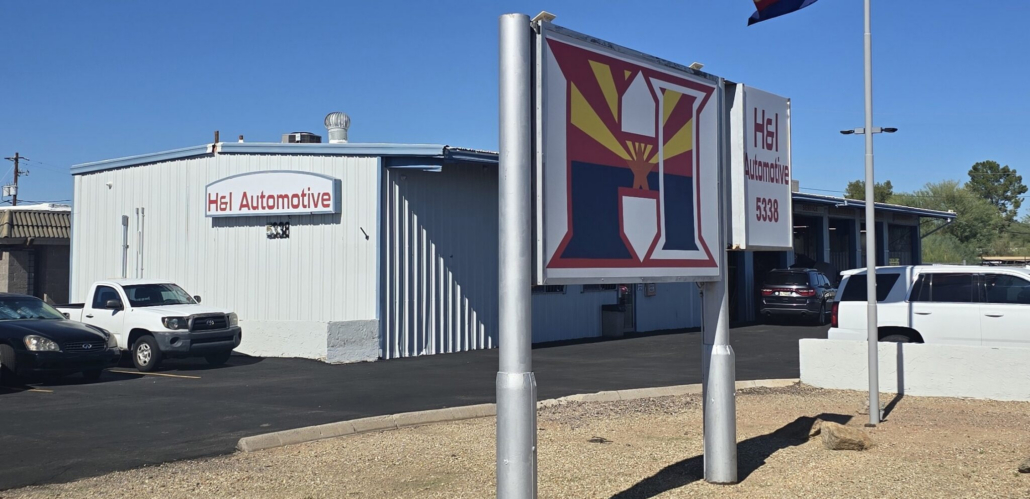
A clearer vehicle-concern conversation for the daily drives, commutes, and road miles that begin in Mesa.
(480) 985-9279
GILBERT WAYPOINT
⌖ Phoenix East Valley

Thoughtful diagnostic support for the vehicles and routines Gilbert drivers rely on.
(480) 279-2456
QUEEN CREEK WAYPOINT
⌖ Phoenix East Valley

A practical place to start for Queen Creek drivers noticing something different with their vehicle.
(480) 396-3938
MAINTAIN THE SYSTEMS BEHIND THE SIGNAL
Understand the purpose of a vehicle diagnostic visit before you schedule. These answers focus on warning lights, vehicle behavior, system information, and a clear next step—not a generic location checklist.
What is included in a vehicle diagnostic visit?
A diagnostic visit begins with the warning light, performance issue, unusual sound, electrical concern, or vehicle behavior you have noticed. The team can review relevant system information, assess applicable conditions, and explain the appropriate next step based on the vehicle in front of them.
Does a warning light tell you exactly what needs to be repaired?
A warning light or scan result is useful information, but it is not always a complete diagnosis on its own. The relevant information needs to be considered alongside the vehicle’s behavior and appropriate assessment or testing to establish the correct repair direction.
What details should I share before a diagnostic visit?
Share when the concern began, what you notice, when it happens, whether it is consistent or intermittent, and any warning light or message you see. Details about sounds, smells, vibration, starting, performance, shifting, or electrical behavior can also be useful.
Will every vehicle concern need the same diagnostic process?
No. The appropriate diagnostic approach depends on the vehicle’s design, the behavior being experienced, and the relevant system information. The goal is to understand the condition and explain what is recommended now, what may be monitored, and why.
Choose Mesa, Gilbert, or Queen Creek and tell the H&I Automotive team what you are noticing with your vehicle.
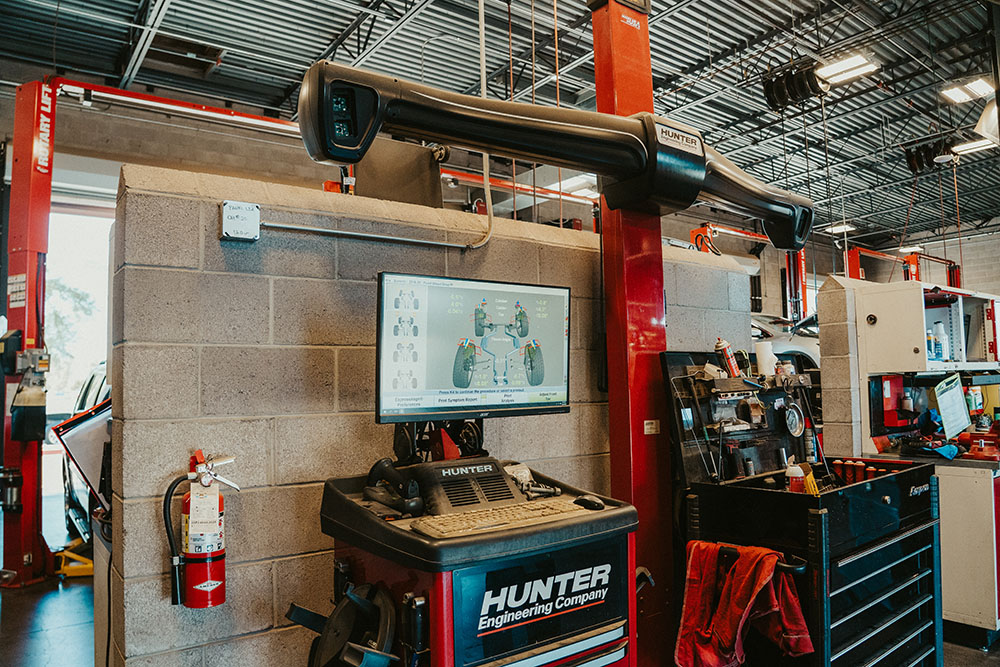

 Mesa Location